

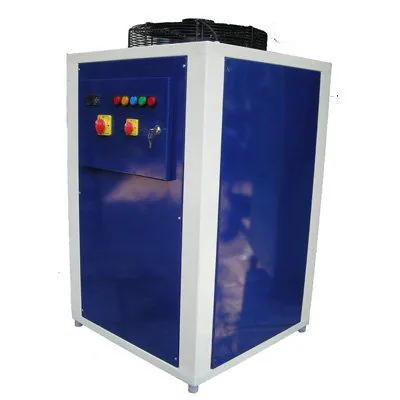
A swimming pool water heater keeps pool water at the temperature swimmers expect, season after season, without the cost and supervision of a boiler. Herambh Coolingz manufactures swimming pool water heaters for hotels, clubs, resorts and residential complexes in India.
An unheated pool loses heat to the air and the ground continuously, and it loses it fastest overnight and in the cooler months. A pool heater replaces that loss steadily, so the water stays comfortable rather than following the weather.
What a Pool Water Heater Does
The heater takes pool water from the circulation line, adds heat to it and returns it to the pool. Because it works on the circulating flow, it needs no separate tank and simply sits in the filtration loop, heating the whole volume over a period of hours.
A thermostat holds the water at the chosen temperature, and once the pool reaches it the heater only has to replace the ongoing losses, which is far less energy than heating cold fill.
Why Pool Temperature Matters
Comfortable water is what makes a pool usable for long periods, and usability is what justifies the investment in a facility. Water that is too cold shortens swim sessions and discourages use; water that is too warm encourages algae and feels flat.
Keeping the temperature within a narrow comfortable band, rather than letting it swing with the weather, is the goal of any well-sized pool heating system.
Types of Pool Heater
Heat pump pool heaters move heat from the surrounding air into the water and deliver more heat per unit of electricity than a plain electric element. Electric element heaters are simple and compact where the electrical supply allows. Heat exchanger based heaters draw heat from a boiler or chiller circuit already present on site.
Solar and solar-assisted heating reduces running cost further where roof or ground area is available, and is often combined with a heat pump to cover cloudy days.
Sizing a Pool Heater
Sizing depends on the pool volume, the surface area exposed to air, the target temperature and the expected ambient and wind conditions. A large open pool in a cool season loses far more heat than a covered indoor pool, so surface area and cover use matter as much as volume.
Allowances are added for the warm-up time the owner wants, because heating a cold pool to temperature in a day needs more capacity than simply holding an already warm pool.
Circulation and Installation
The heater is installed in the filtration loop with the correct flow through it, protected by a flow switch so it cannot run without water. Isolation valves allow the heater to be serviced without draining the pool.
Pool covers and windbreaks cut losses dramatically and are the cheapest addition to any pool heating scheme, reducing both warm-up time and running cost.
Materials and Water Chemistry
Wetted parts must resist chlorinated or saline pool water, so exchangers are built in corrosion-resistant materials and the water path avoids metal that would pit over time. Correct water balance also protects the heater as much as it protects the pool finish.
Physical and chemical balance, filtering and regular backwashing all reduce the load the heater sees and keep the surfaces that transfer heat clean.
Running Cost and Maintenance
Running cost is driven by the heat lost from the pool and the efficiency of the heater. Insulating the pool with a cover, reducing wind exposure and using a heat pump together give the lowest practical running cost.
Maintenance includes keeping the water path and heat transfer surfaces clean, checking the flow switch and thermostat, and verifying water chemistry. In most facilities this is a short, seasonal routine rather than a continuous task.
Choosing the Right Pool Heating Approach
The best choice depends on how the pool is used, the climate, the electricity tariff and the space available. A resort that runs its pool all year will value a heat pump for its low running cost, while a small facility may prefer the simplicity of an electric element.
Combining a cover with efficient heating is almost always the fastest way to cut running cost, because it attacks the heat loss at its source instead of paying to replace it.
- Heat pump, electric and heat exchanger types
- Holds pool water within a comfortable band
- Installed in the existing filtration loop
- Flow switch protection against dry running
- Corrosion-resistant wetted materials for chlorinated pools
| Parameter | Details |
|---|---|
| Function | Maintains swimming pool water temperature |
| Types | Heat pump, electric element, heat exchanger |
| Installation | In the pool filtration and circulation loop |
| Control | Thermostat with flow-switch protection |
| Materials | Resistant to chlorinated or saline pool water |
| Efficiency aids | Pool cover and windbreak to cut heat loss |
Tell Herambh Coolingz your pool volume, surface area and target temperature, and we will help size a swimming pool water heater that keeps the water comfortable all season.